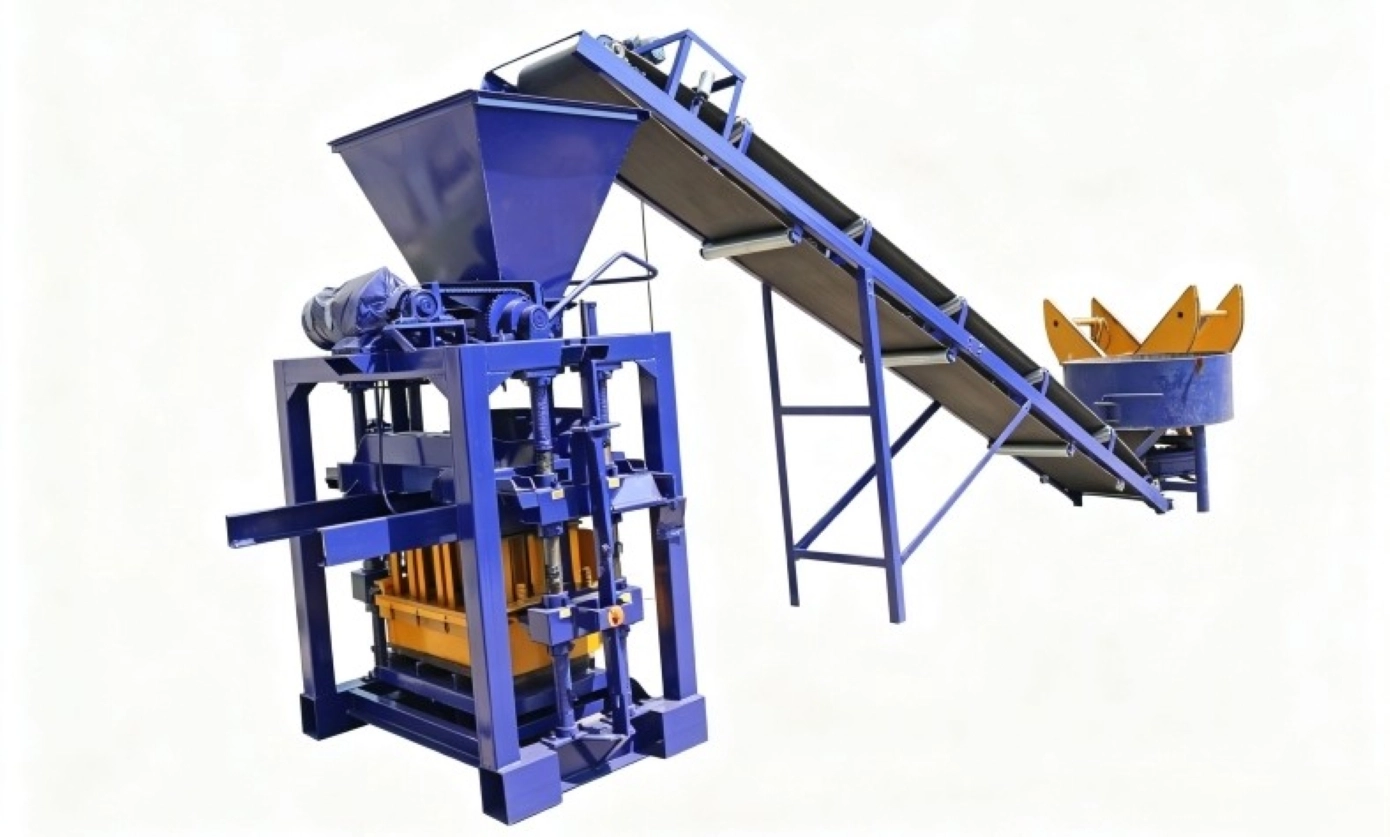
1. Independent Bottom Vibration Box For Stable Continuous Operation, Uniform Block Density And Less Waste
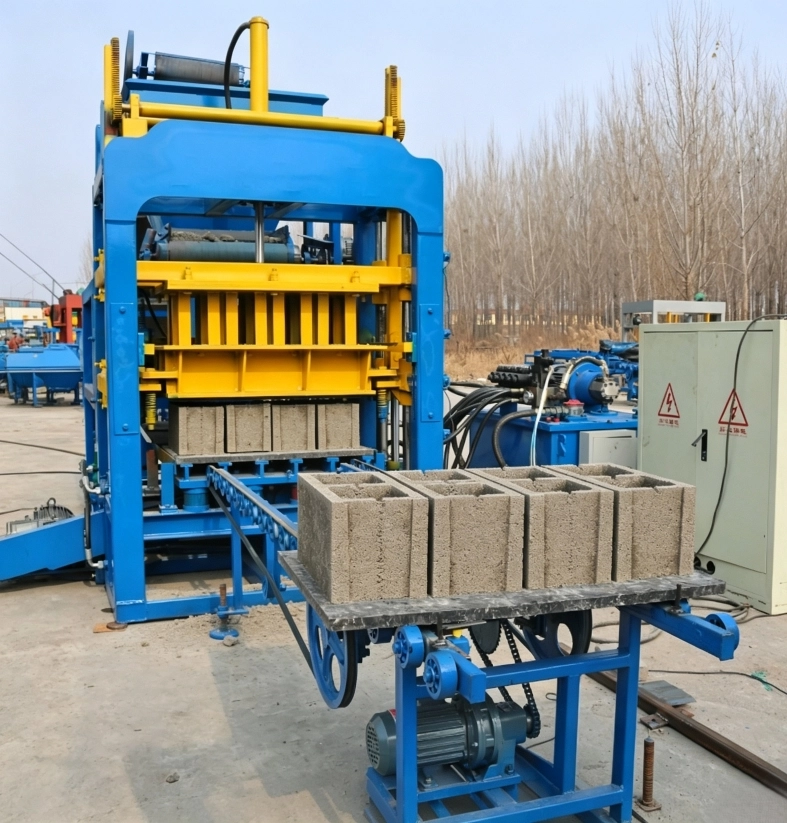
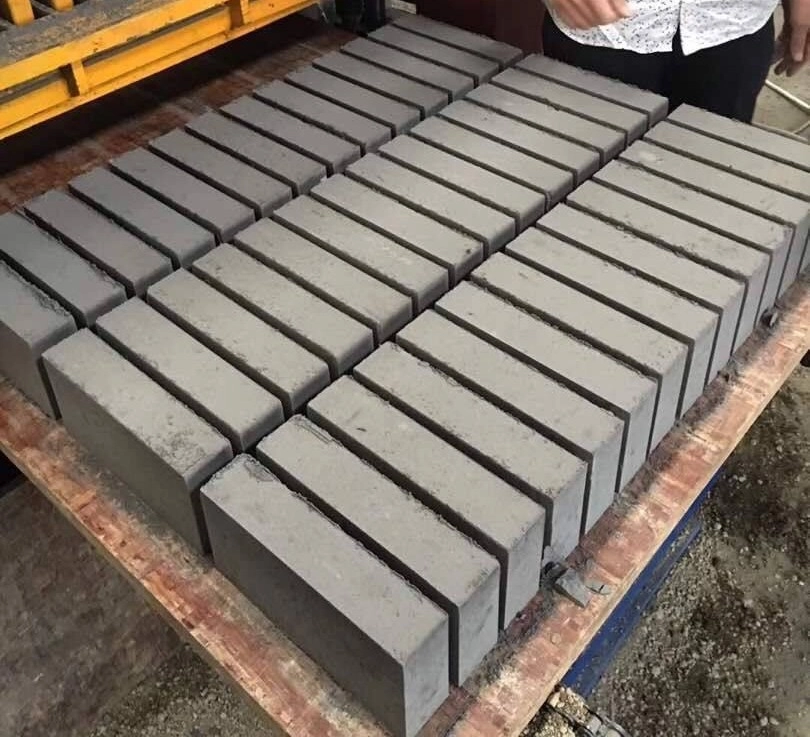
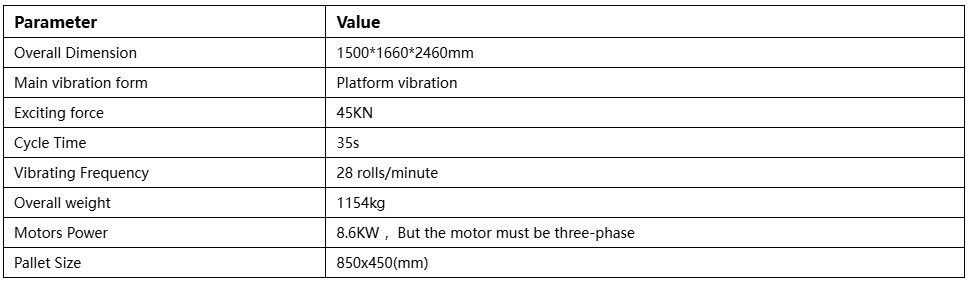
Equipped with independent bottom vibration box delivering 45KN exciting force, vibration energy spreads evenly across full mold cavity to avoid insufficient compaction in partial zones. Both hollow blocks and solid bricks gain full corners and uniform density, reducing rejects from looseness or insufficient filling. Vibration motors are protected from direct material impact to lower abnormal‑damage risk. It performs well under two‑shift small‑factory mass‑production, improves raw‑material utilization and guarantees quality for batch orders.
2. Compact Low‑power Frame, Controllable Purchase & Operating Cost For Low‑threshold Startup
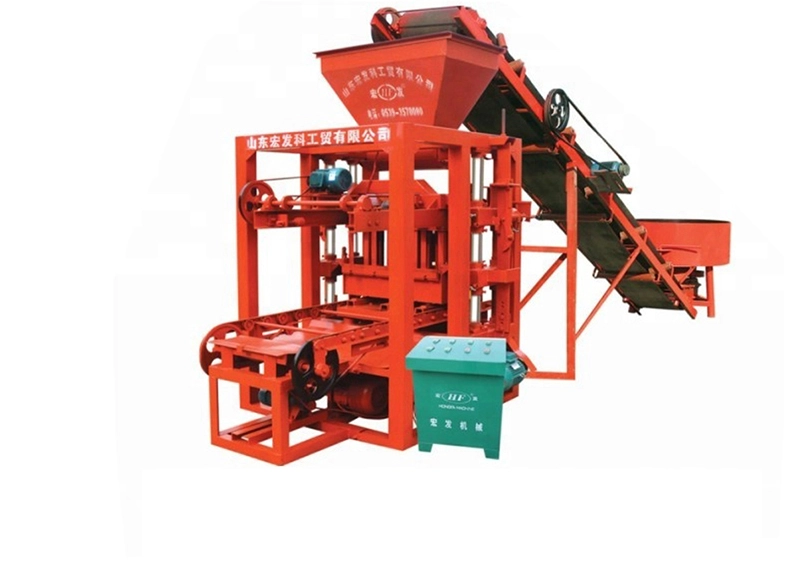
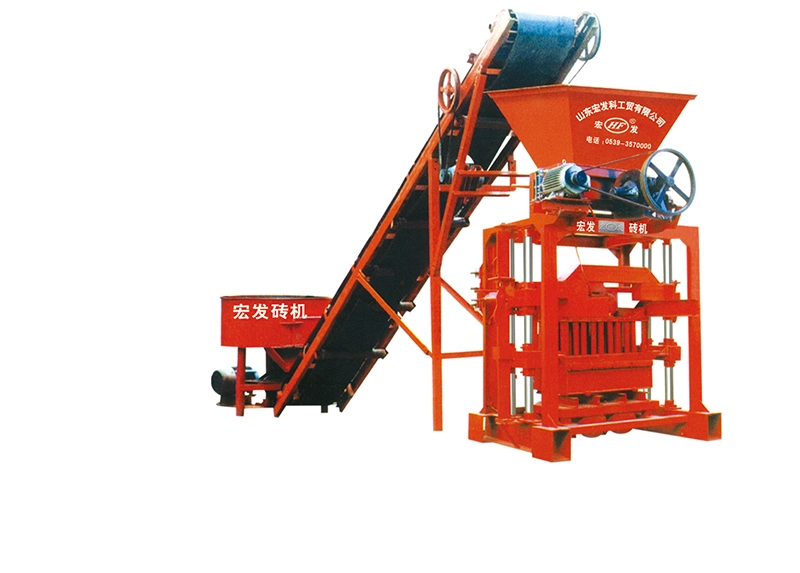
Total motor power is only 8.6KW without heavy power‑supply requirement for low daily electricity expense. Weighing 1154kg, it occupies small floor space and works on ordinary hardened floor without high‑standard workshop construction. Reasonable main‑machine purchase cost avoids huge one‑time capital outlay. Only 2‑4 ordinary operators are sufficient without highly‑paid experienced brick‑making technicians. It fits individual starters, rural workshops and first‑time overseas investors for block‑making business.
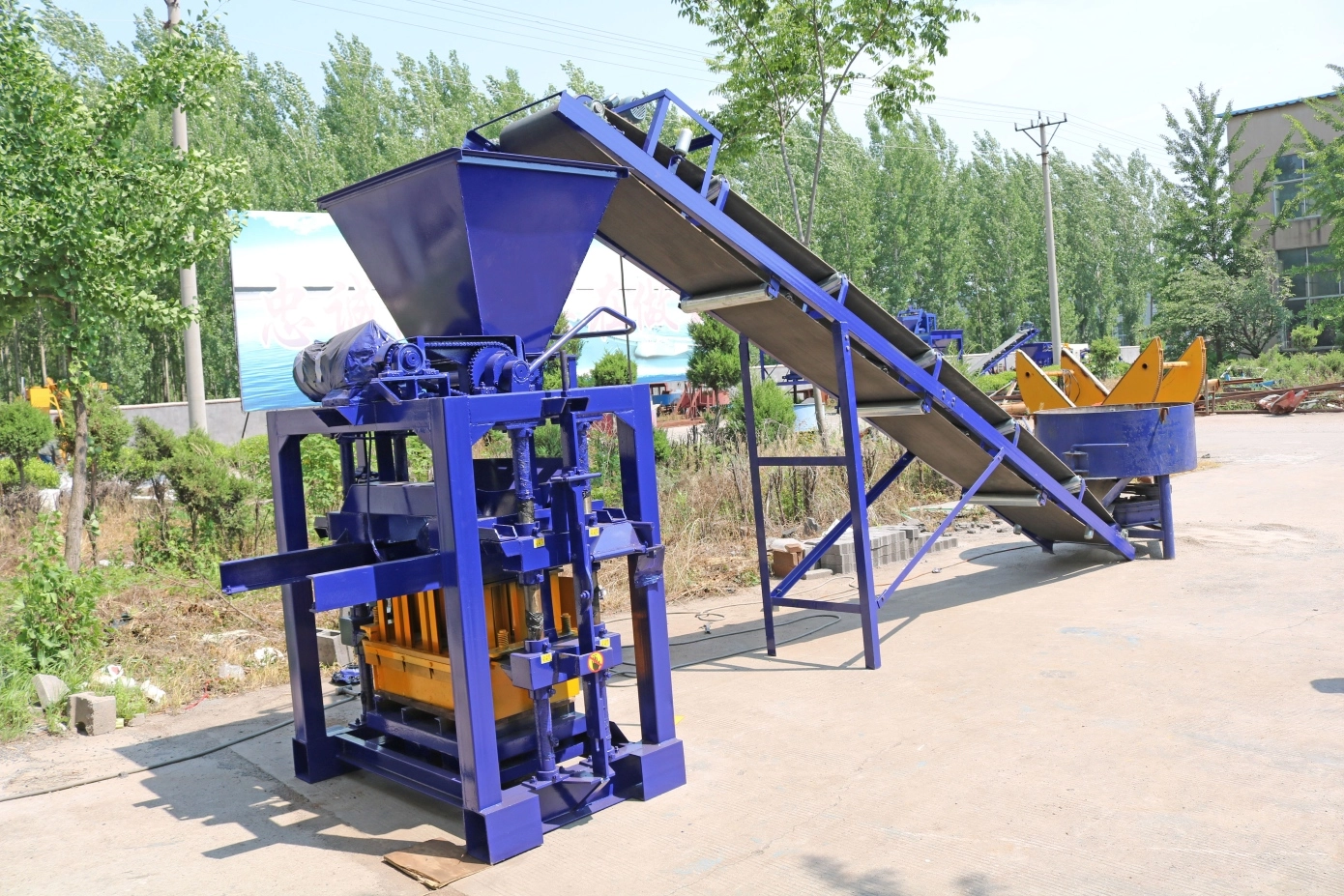
3. Control‑box‑driven Electric Upper‑mould Movement, Simplified Workflow And Short Operator Learning Curve
Upper‑mould pushing and material discharging are electrically controlled via control box instead of fully manual levers. Simplified cycle logic enables operators to master operation after short training. Even with high staff turnover, new workers can take over production quickly. Mis‑operations such as mold jamming and defective bricks are reduced to prevent order delays caused by personnel change.
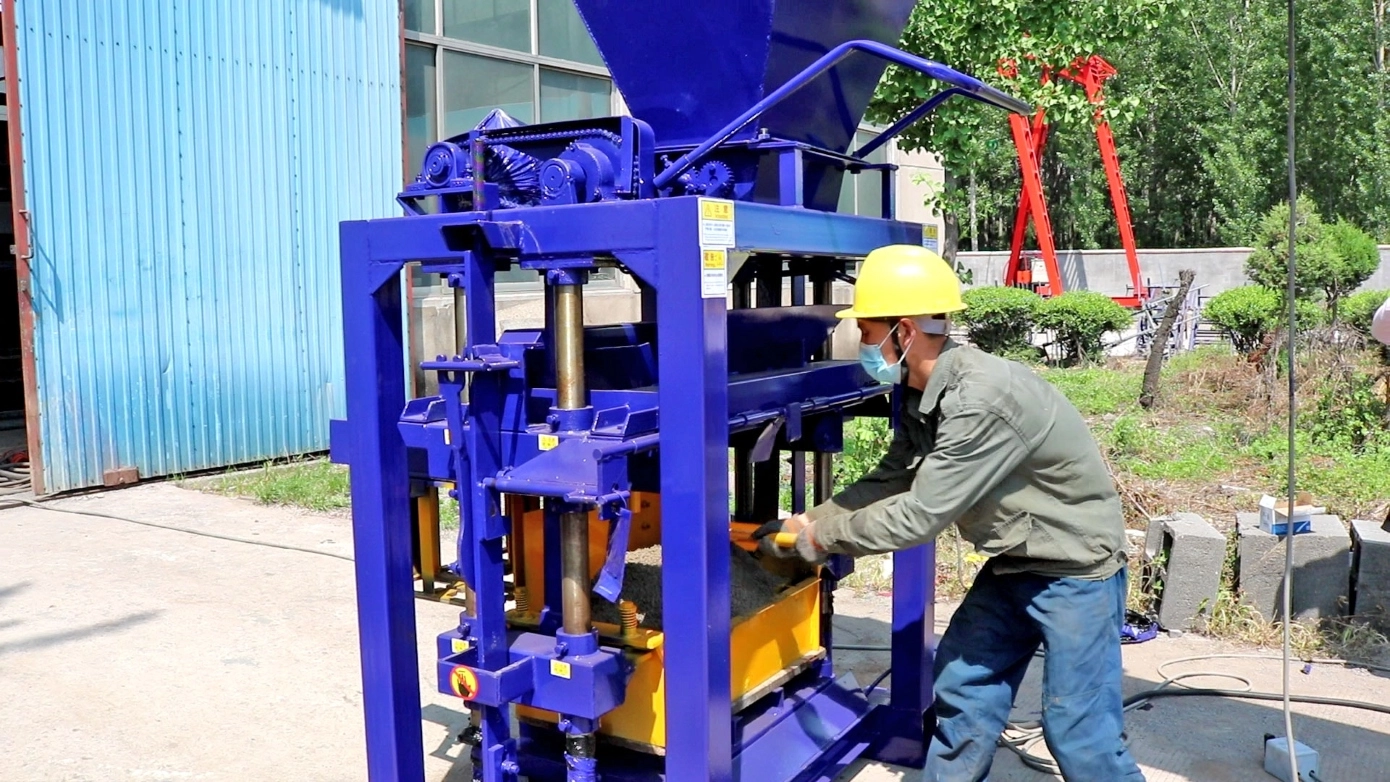
4. Wear‑resistant Manganese‑steel Molds For Multi‑product Production And Economical Consumable Management
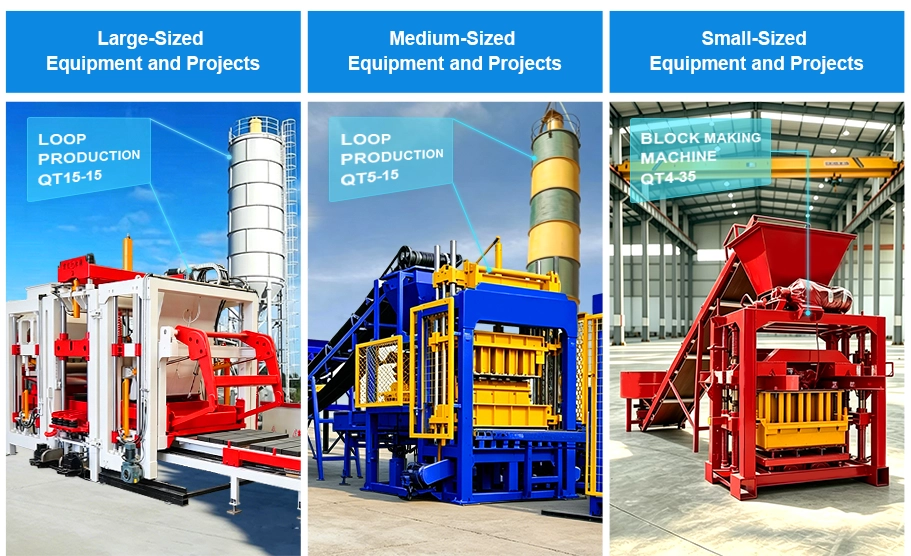
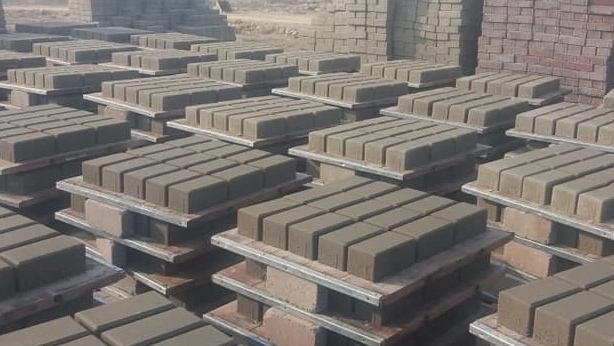
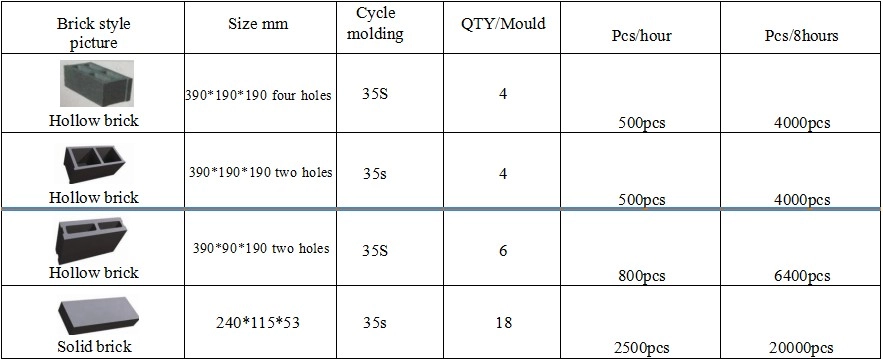
Manganese‑steel molds of 880×550mm feature good wear and impact resistance. By swapping molds, this single main machine produces hollow blocks, solid standard bricks and slope‑protection blocks for both civil wall‑building and small municipal contracts. Local worn mold inserts can be replaced separately instead of scrapping the whole mold. Quick product switching improves machine utilization and avoids heavy cost for full‑mold renewal amid market demand fluctuation.
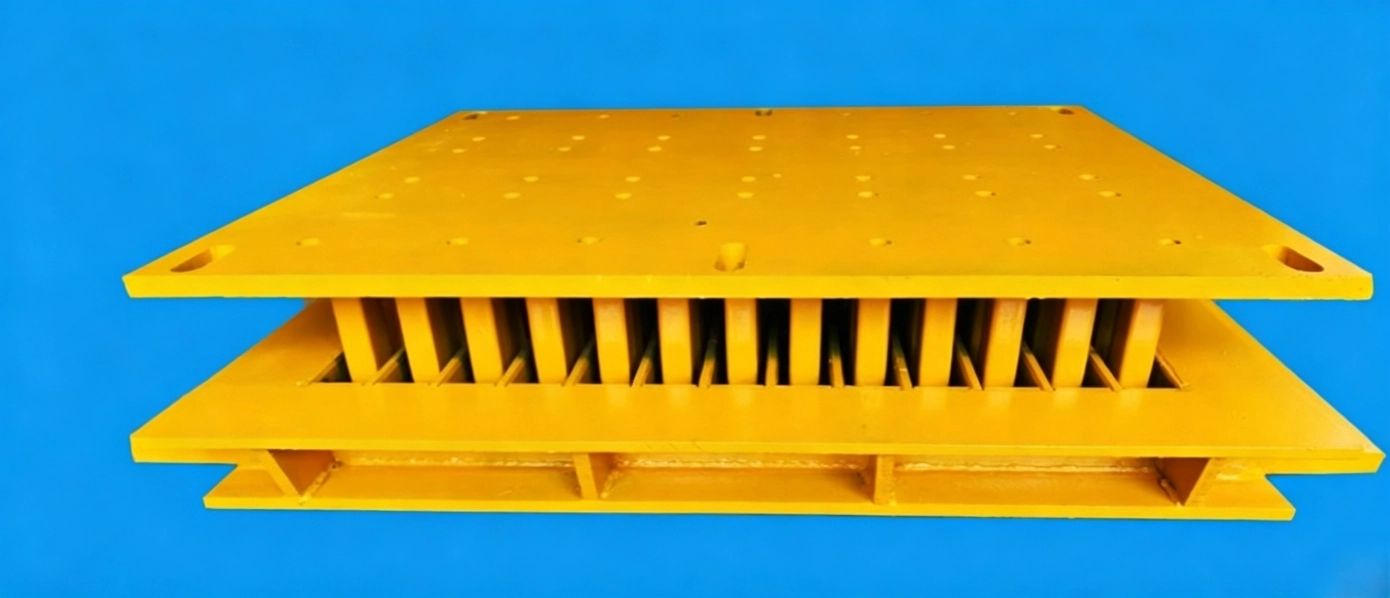
5. Wide Raw‑material Compatibility, Utilize Local Industrial Residues To Reduce Unit Production Cost
Besides conventional sand, stone and cement, the machine accepts crushed stone, stone dust, fly ash, furnace slag, coal gangue, construction waste, expanded perlite. Recommended formula reference: cement 8‑15%, sand 35‑45%, crushed stone 45‑55%. Plant owners can adopt cheap local waste materials and optimize formula under guaranteed block strength. It cuts expensive cement and aggregate procurement cost and strengthens your quotation competitiveness in local market.
6. Light Compact Structure For Easy Container Export, Open Interfaces For Step‑by‑step Capacity Upgrade
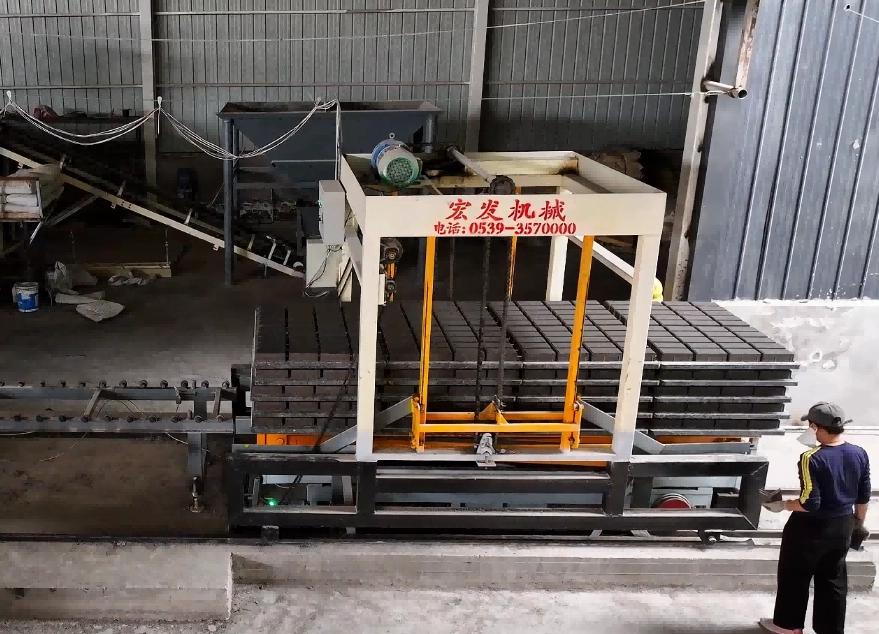
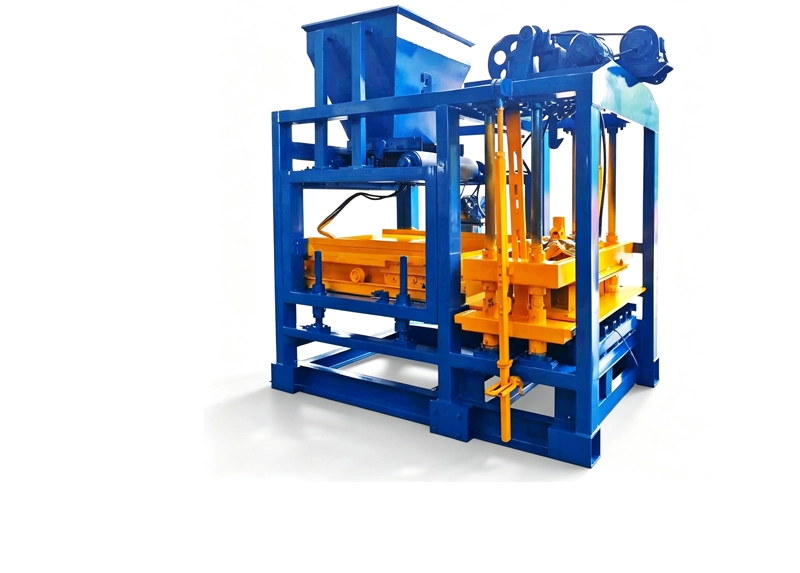
With dimension 1500×1660×2460mm, the compact main machine fits into 20ft container together with accessories to save ocean‑freight cost for overseas buyers. Open simple interfaces allow standalone running with basic feeding devices on limited budget. When orders expand later, you can add mixers, belt conveyors, trolleys, automatic stackers and other peripherals step‑by‑step to raise automation level, without purchasing expensive complete line from the very beginning.

1. Independent Bottom Vibration Box For Stable Continuous Operation, Uniform Block Density And Less Waste
Equipped with independent bottom vibration box delivering 45KN exciting force, vibration energy spreads evenly across full mold cavity to avoid insufficient compaction in partial zones. Both hollow blocks and solid bricks gain full corners and uniform density, reducing rejects from looseness or insufficient filling. Vibration motors are protected from direct material impact to lower abnormal‑damage risk. It performs well under two‑shift small‑factory mass‑production, improves raw‑material utilization and guarantees quality for batch orders.
2. Compact Low‑power Frame, Controllable Purchase & Operating Cost For Low‑threshold Startup
Total motor power is only 8.6KW without heavy power‑supply requirement for low daily electricity expense. Weighing 1154kg, it occupies small floor space and works on ordinary hardened floor without high‑standard workshop construction. Reasonable main‑machine purchase cost avoids huge one‑time capital outlay. Only 2‑4 ordinary operators are sufficient without highly‑paid experienced brick‑making technicians. It fits individual starters, rural workshops and first‑time overseas investors for block‑making business.
3. Control‑box‑driven Electric Upper‑mould Movement, Simplified Workflow And Short Operator Learning Curve
Upper‑mould pushing and material discharging are electrically controlled via control box instead of fully manual levers. Simplified cycle logic enables operators to master operation after short training. Even with high staff turnover, new workers can take over production quickly. Mis‑operations such as mold jamming and defective bricks are reduced to prevent order delays caused by personnel change.
4. Wear‑resistant Manganese‑steel Molds For Multi‑product Production And Economical Consumable Management
Manganese‑steel molds of 880×550mm feature good wear and impact resistance. By swapping molds, this single main machine produces hollow blocks, solid standard bricks and slope‑protection blocks for both civil wall‑building and small municipal contracts. Local worn mold inserts can be replaced separately instead of scrapping the whole mold. Quick product switching improves machine utilization and avoids heavy cost for full‑mold renewal amid market demand fluctuation.
5. Wide Raw‑material Compatibility, Utilize Local Industrial Residues To Reduce Unit Production Cost
Besides conventional sand, stone and cement, the machine accepts crushed stone, stone dust, fly ash, furnace slag, coal gangue, construction waste, expanded perlite. Recommended formula reference: cement 8‑15%, sand 35‑45%, crushed stone 45‑55%. Plant owners can adopt cheap local waste materials and optimize formula under guaranteed block strength. It cuts expensive cement and aggregate procurement cost and strengthens your quotation competitiveness in local market.
6. Light Compact Structure For Easy Container Export, Open Interfaces For Step‑by‑step Capacity Upgrade
With dimension 1500×1660×2460mm, the compact main machine fits into 20ft container together with accessories to save ocean‑freight cost for overseas buyers. Open simple interfaces allow standalone running with basic feeding devices on limited budget. When orders expand later, you can add mixers, belt conveyors, trolleys, automatic stackers and other peripherals step‑by‑step to raise automation level, without purchasing expensive complete line from the very beginning.
 QT4‑25C Semi‑Automatic Paving Brick Making Machine | Table‑Vibration Economical Paver Production Line
Hongfa QT4‑25C semi‑automatic paving brick forming machine adopts table‑vibration plus step‑by‑step vibration technology...
 QTJ4‑35 Semi‑automatic Block Making Machine | Economical Forming Equipment For Concrete Hollow Blocks
QTJ4‑35 semi‑automatic block making main machine is optimized for small‑scale production of standard 390×190×190 mm holl...
 QMJ-4A Semi-automatic Concrete Block Machine
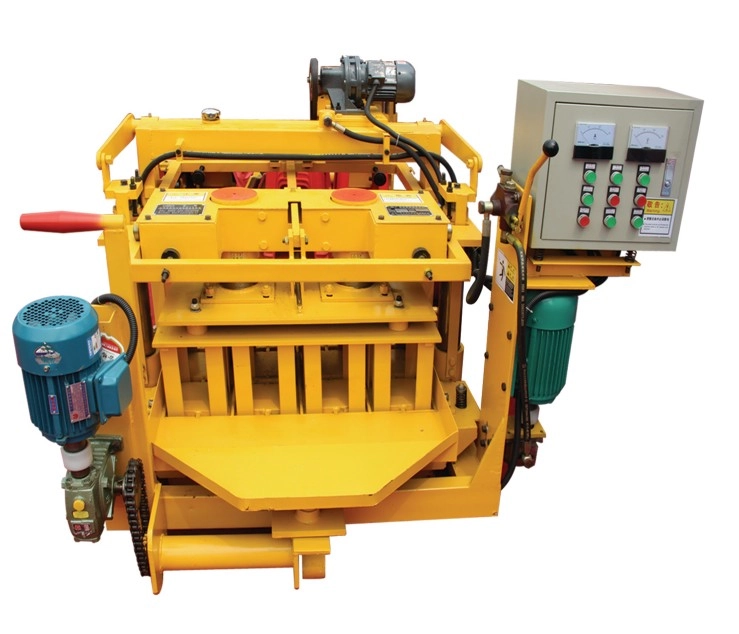
QMJ‑4A mobile hydraulic block making machine adopts mold‑box vibration and hydraulic transmission. It supports forward, ...
Shandong Hongfa Scientific Industrial&Trading Co.,Ltd ©️2026Copyright © LU ICP B 16041216-4